Understanding Education in Vanuatu: Challenges and Opportunities
Education in Vanuatu is a crucial aspect of the nation’s development and is vital for empowering its citizens. The educational framework is designed to ensure that children receive a solid foundation in their formative years. However, the system also faces several challenges that hinder its progress. Organizations like vanuatu education opedvanuatu.org/ are actively working to improve educational outcomes. In this article, we will delve into the current state of education in Vanuatu, the existing challenges, and the potential pathways for growth and improvement.
The Structure of Education in Vanuatu
The education system in Vanuatu is divided into several levels: early childhood education, primary education, secondary education, and higher education. The government has made significant strides since independence in 1980, with various policies aimed at improving literacy and educational attainment.
Early Childhood Education
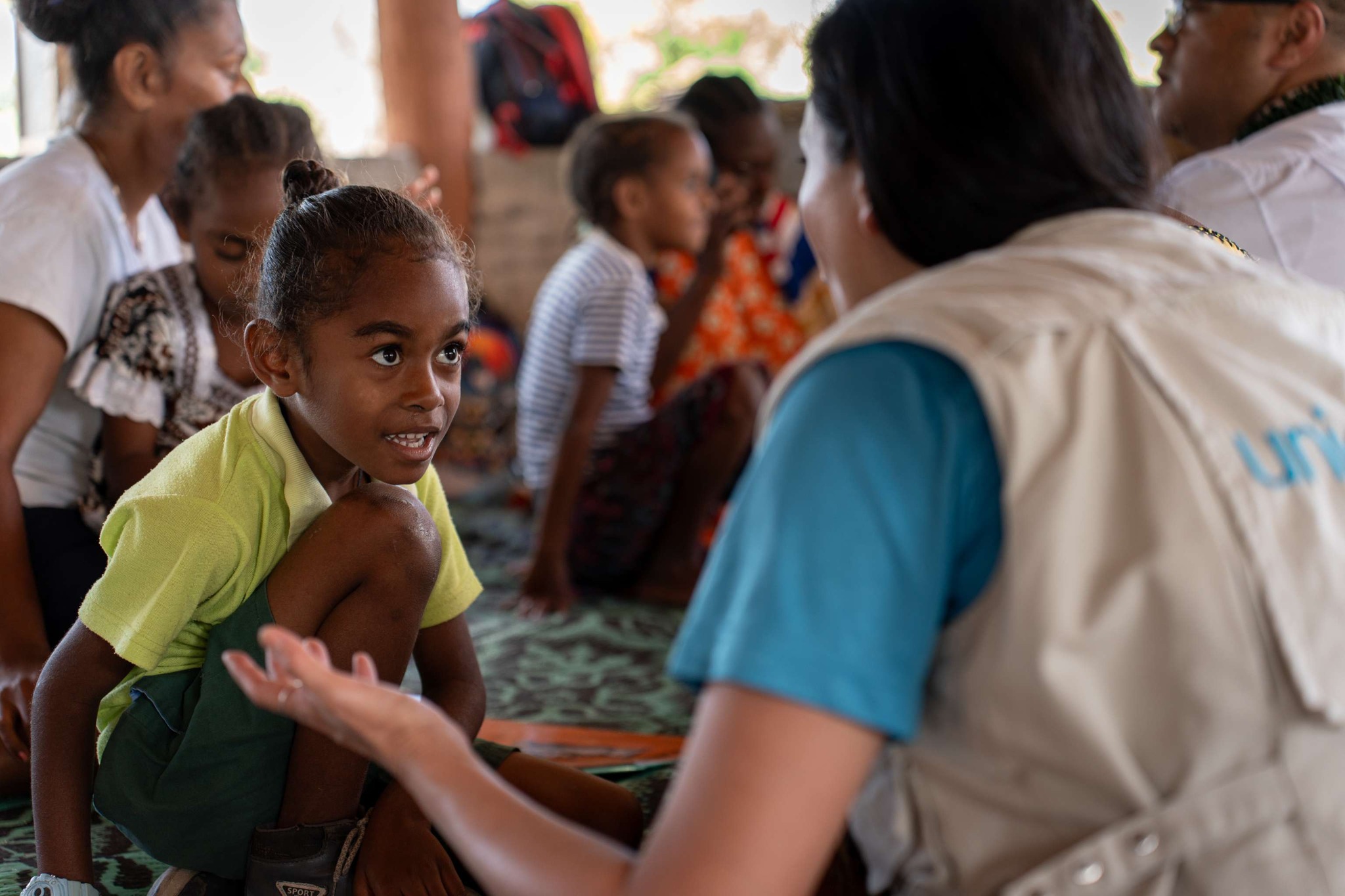
Early childhood education in Vanuatu serves children aged between three to five years and is crucial in preparing them for primary education. While there has been positive movement in this sector, accessibility remains an issue in many rural areas. Efforts to increase awareness about the importance of early childhood education have been made, yet many parents still prioritize work over formal education for their young children.
Primary Education
Primary education in Vanuatu generally lasts for six years, from ages six to twelve. The current government aims to provide free primary education to all children, which has seen a significant increase in enrollment rates. Nonetheless, the quality of education varies greatly depending on the region, as rural areas often have fewer resources and less qualified teachers compared to urban centers.
Secondary Education
Secondary education follows primary education and is divided into junior and senior secondary schooling. However, only a fraction of students continue to secondary levels due to various factors including lack of resources, financial constraints, and familial obligations. The government has been working to promote equitable access to secondary education, but significant gaps still exist.
Tertiary Education
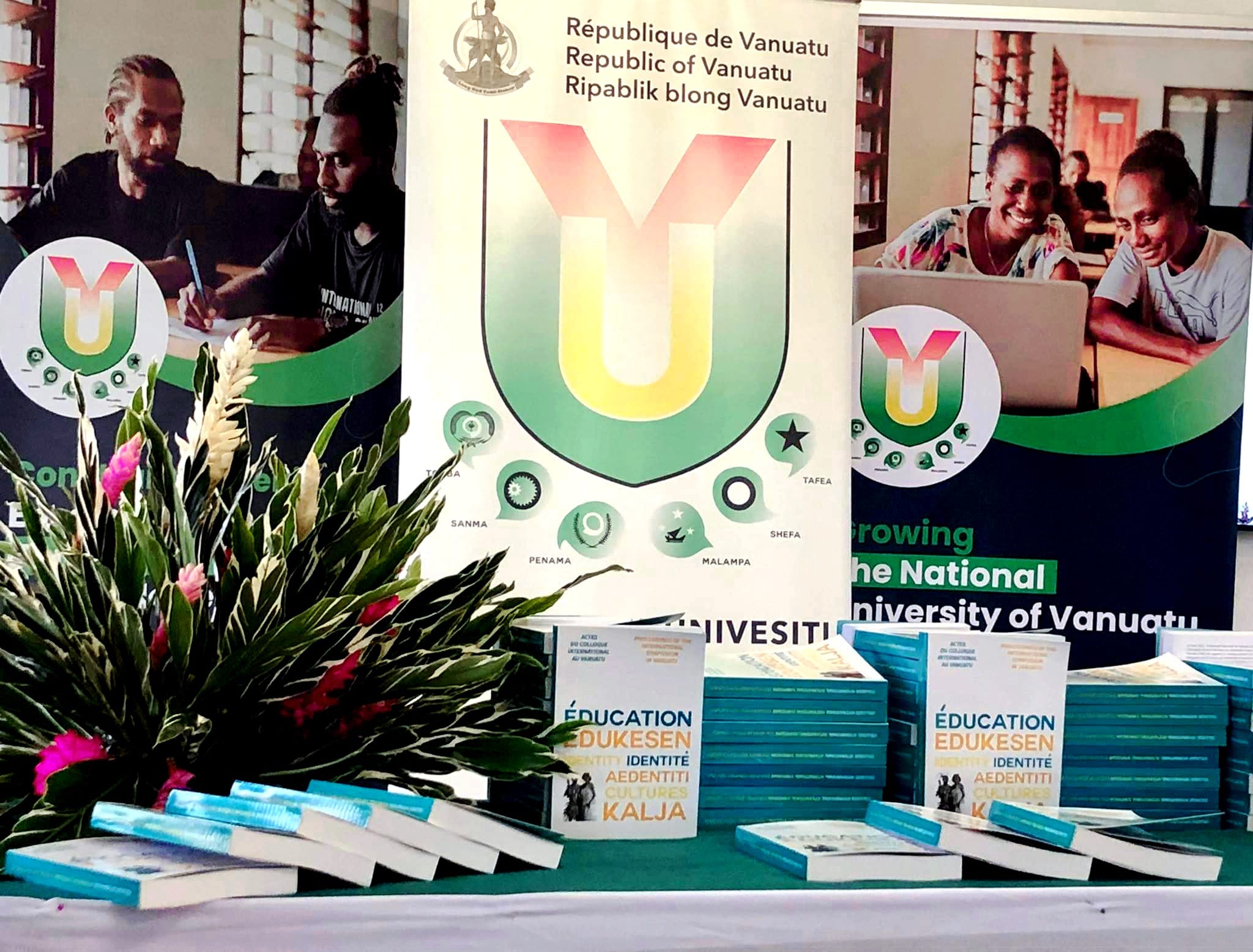
Higher education institutions in Vanuatu, including the University of the South Pacific (USP) and the Vanuatu Institute of Technology (VIT), are critical for developing a skilled workforce. However, many students opt to study abroad due to limited local opportunities and resources. The government has been promoting initiatives to retain talent locally and improve the quality of tertiary education.
Challenges in the Education System
Despite the improvements, numerous challenges remain in the educational landscape of Vanuatu.
Geographical Barriers
Vanuatu consists of over 80 islands, making accessibility a significant challenge. Many remote communities do not have schools nearby, and children often have to travel long distances to access education. This situation is exacerbated by the lack of infrastructure and reliable transportation.
Quality of Education
The quality of education remains inconsistent across different regions. Schools in urban areas tend to be better resourced compared to those in rural locations. Teacher training and retention also poses challenges, with many qualified teachers leaving for better opportunities abroad.
Financial Constraints
Even though primary education is officially free, associated costs such as uniforms, supplies, and transportation can be a barrier for many families. As a result, some parents may choose to keep their children at home rather than take on these financial burdens.
Current Initiatives for Improvement
The government, along with various NGOs and community organizations, has initiated several projects aimed at improving education in Vanuatu. Here are a few noteworthy efforts:
Community Engagement
Engaging local communities is vital for the sustainability of educational initiatives. By involving parents and community leaders in planning and implementing educational programs, a greater sense of ownership and commitment can be fostered. This engagement has led to improved enrollment rates and better retention of students.
Training and Development for Teachers
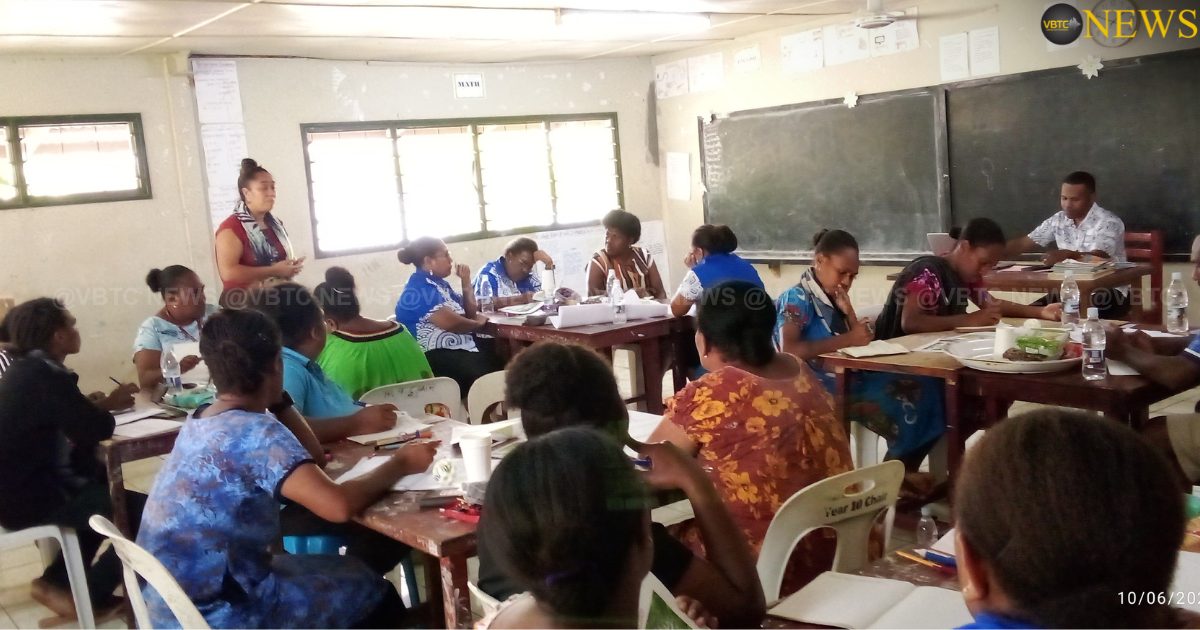
Investing in professional development for teachers is essential for raising educational standards. Various programs aimed at equipping teachers with the tools and methods needed to engage students effectively have been implemented by organizations like OPED Vanuatu.
Use of Technology in Education
The integration of technology into education offers vast potential for enhancing learning experiences. Projects focused on providing digital resources and training in technology use have been gaining traction, helping students and teachers alike to access a broader range of educational material.
Conclusion
Education in Vanuatu stands at a crossroads, with the potential for growth and transformation. By addressing the existing challenges and implementing effective strategies, the nation can create a more equitable and high-quality educational system. Collaborative efforts between the government, NGOs, and the community will be essential in crafting a brighter future for Vanuatu’s youth, ensuring they are equipped with the knowledge and skills needed to thrive in a rapidly changing world.
Further Reading
For those interested in learning more about educational initiatives in Vanuatu, the following resources may provide valuable insights:
- OPED Vanuatu
- UNICEF in Vanuatu
- University of the South Pacific